
There is no doubt in my mind that I am a different composer than when I walked in class on my first day of WEPO. Previously, I had a no clear theory of composing. My process was simply writing, and I had no words to describe each step I was taking. But now I’ve realized that WEPO has provided me with some key terms that I feel enhance both my knowledge and also refine my own theory of rhetoric and composition.
RHETORIC
Some key terms that have stood out to me so far in class in regards to rhetoric, are rhetorical situation, exigence, and audience, building blocks of rhetoric that would be lost without our attention to Bitzer.
From Bitzer, I learned that rhetorical situation is a “complex of persons, events, objects, and relations presenting an actual or potential exigence” (6). I learned that every instance of rhetoric comes into being when a rhe
torical situation is present, and basically, rhetoric cannot exist without a situation that calls a need for that rhetoric. Rhetorical Situation
is the starting point; the reason for rhetoric to exist. As a key component of rhetorical situation, I believe Exigence, is also important to rhetoric and goes hand in hand with rhetorical situation. Exigence is “an imperfection marked by urgency,” which I take to mean is a pressing issue that needs to be addressed. Everytime we compose, there is some need we fulfill in doing so.
Besides these two terms, I really feel that audience plays a constant role in rhetoric.

Audience is anyone “capable of serving as the mediator of the change which the discourse functions to produce” (Bitzer 7), or the people we try to target whenever we compose so that they can take meaning from it and produce the change we want to see. I feel that audience is extremely influential
in our use of persuasion because it forms our argument.
For example, I learned that having the audience of freshmen in our newsletter project made it very different from if the audience had been scholars, because it formed the way I approached
and presented my information.
COMPOSITION I feel that the effect audience has on rhetoric is similar to the effect genre has on composing, and therefore, the two meanings overlap. First of all, Devitt defines genre as a se
miotic situation and social context” that appear in recurring situations and change with each social situation. So like audience, genre takes many forms and dictates the way I would approach writing. Take the genre project we did in class where we wrote a letter to our grandmother, teacher, and friend—all described the same event yet were completely different because they were written in different genres- a letter an e-mail, and a text. I don’t necessarily think process should be defined, because it is unique to each individual. To me, process is

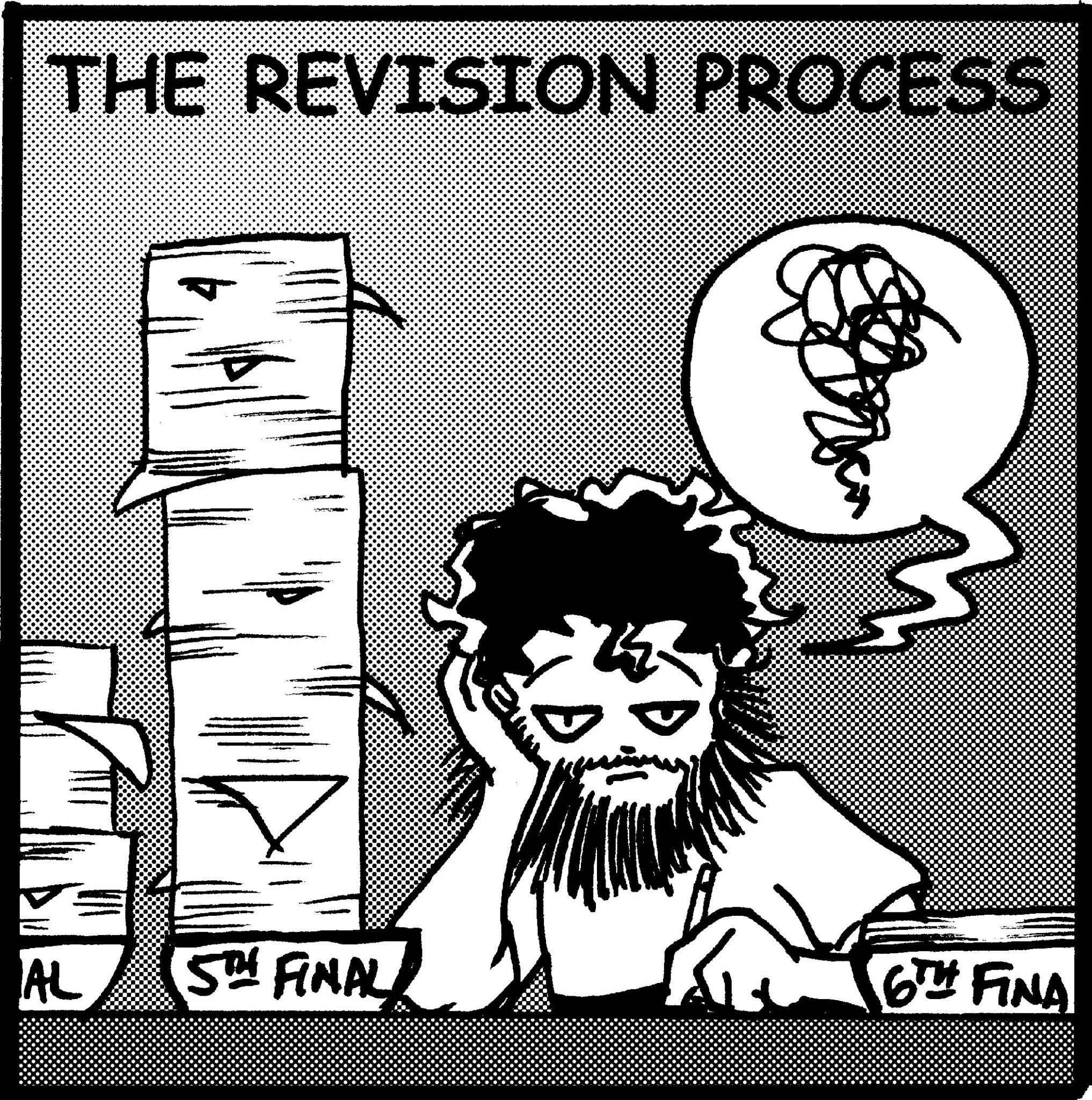
I also believe that revision is key to the finalization of any composition. I spent a great deal of time researching and defining this word for my project, and that is probably why it has become so important to me as a composer. I’ve learned that revision is the modfication of writing with attention to surface
changes and meaning changes (Faigley and Witte). Revision isn’t about just changing a few words around or correcting grammatical errors on the surface; it requires much more depth than that. Revision seeks to make a work coherent and logical through additions of detail and rearranging of sentences.

Without these terms and the scholars that have defined them, I would have no chance for this opportunity of growth as a composer and self-reflection on my own process. Yancey defines reflection as “looking forward to goal we might obtain, and casting backward to see where we have been.” This fits into composing because it is a helpful tool in letting me understand how I can examine my past work to improve upon mistakes and take the most important pieces of what I have learned and apply them. In that way, I think reflection is a very important afterthought to work because I am allowed to be “the agent of my own learning” as Yancey put it.
So from this reflection, I know that all of these key terms have given me a sense of what to take into account when composing. For example, I need to focus on my audience to get across my message and revise my work to make sure others can understand it. Reflection has expanded my knowledge. This knowledge ahas always existed, but can always be built upon through re-examination.
No comments:
Post a Comment